Sign Up Here!
Grief Support Groups
Wellesley Grief Support Groups
How you grieve is influenced by a variety of things, such as your personality and ways of coping, your life experience, your religious beliefs, and the importance of the loss to you.

Grief Group
Why is it necessary to grieve before moving on?
We have a Grief Support Group Facilitator in Wellesley waiting to take your call.
Grieving is a normal and natural reaction to loss. It refers to the range of emotions, thoughts, and behaviors that people experience as they come to terms with their loss and begin to heal. While everyone's grief path is unique, it typically includes several stages or phases;
Denial; The first stage of bereavement is marked by shock and denial. Individuals in Wellesley may struggle to comprehend their loss and may feel numb or disconnected from reality.
People may become angry or disappointed as the reality of the loss begins to seep in.This can make you angry with other people, feel unfairly treated, or feel helpless.
Bargaining; At this point, people may attempt to reach an agreement with themselves or a higher power to stop or reverse the loss.Pledges or attempts to change specific behaviors or attitudes may be included.
People may have sentiments of despair, despondency, or hopelessness when the loss becomes more apparent.They may retreat or isolate themselves, and they may struggle with daily activities.
Acceptance; Accepting the reality of the loss and learning to adjust to life without the person or object that was gone is what this stage comprises. While acceptance does not mean that the grief has been totally addressed, it can be an important step toward healing.
It is critical to note that the grief process is not linear, and people may skip phases or experience them more intensely than others. Also, the length of time it takes to get through the mourning process is heavily influenced by factors such as the type of loss, the person's personality and coping mechanisms, and the amount of support they have.Seeking assistance from friends, family, or a professional in Wellesley can help you manage your grief and find a path to healing.
Meetings for Grief Support in Wellesley
A Wellesley grieving support group might be a lifeline when someone close to you dies. Those who have suffered similar losses can express their ideas, feelings, and experiences in these safe and friendly environments. The support groups are led by one of the group leaders or a facilitator with YANA-specific training.
YANA discusses many forms of grief support groups.
1. These sessions are open to anyone in Wellesley who has lost a loved one, such as a spouse, a child, a parent, a sibling, a friend, a pet, or anything else.
2. Those who have experienced a specific loss, such as the death of a parent, spouse, or child, may find comfort in specialist grief support groups.
3. Anyone with internet connection can participate in online grief support groups and connect with others who have suffered similar losses. They can do it from the convenience of their own homes.
4. Religious or spiritual grief support groups frequently meet in places of worship such as churches, synagogues, and mosques. They provide a safe forum for folks in the Wellesley area to discuss the spiritual aspects of bereavement.
5. Youth support groups; These groups are customized to the specific requirements of young people and give a secure space for them to explore their feelings and interact with others who can relate to their loss experience.
6. There are support groups for those who have similar experiences, such as the LGBTQ+ community, veterans, or those who have suffered a severe loss.
Residents of Wellesley who are grieving have access to resources at YANA. It is critical to select a group that appears to be a natural fit.
Supporting our Wellesley members through the grieving process; What's Normal Grief?
Please complete the YANA form if you or someone you know needs assistance in the Wellesley area dealing with traumatic sorrow.
Normal sorrow is a normal and healthy response to a significant loss, like the death of a loved one or the dissolution of a significant relationship. It is a difficult process that involves a range of feelings, ideas, and physical sensations. Common indications of normal grief include-
1. Extreme melancholy, emptiness, and loneliness
2. Rage and impatience
3. Guilt or remorse 3. Focusing issues and poor judgment
4. Changes in appetite, sleep habits, or energy levels
5. Numbness or shock
6. Strong feelings brought on by thoughts of the loss
7. A longing for someone or something that has passed away.
Even though normal sorrow can be a difficult and painful process, it is an essential step in the healing process. It's crucial to give yourself permission to experience your emotions and express them in healthy ways, such as writing in a journal, speaking with a dependable friend or family member, or seeking professional assistance. It's crucial to look after yourself during this time by getting enough sleep, eating well, and engaging in activities that make you feel at ease and happy. but there is no defined timetable for grieving, most people eventually manage to feel some kind of acceptance and tranquility, but the specific date and process varies from person to person.
Loss can be difficult to deal with, but YANA facilitators in Wellesley are here to help.
YANA is a supportive group of people that will be there for you if you're going through a rough patch in life. When dealing with loss, support from friends and family can be invaluable.
Grief is an intricate and multifaceted emotion with numerous possible manifestations. The following are some examples of common forms of grief-
The normal response to the death of a loved one or to a significant life transition is grief. Feelings of pessimism, wrath, guilt, and disbelief are hallmarks of this condition, which can persist for varying amounts of time.
Complex grief is more painful, lasts longer, and interferes with daily life than simple grieving.It's a persistent sense of loss, loneliness, and missing the deceased. It's tough to let go and move on after a loss.
Grief that is experienced in advance of a loss or major life transition is called anticipatory grief. Depression, worry, and stress are all possible manifestations, as is emotional distancing.
When a person experiences disenfranchised loss, they believe that their loss is not being recognized or accepted by those around them.One example is the death of a beloved pet or the end of a non-traditional romantic partnership. It may be hard to talk about or understand, leading to feelings of isolation.
Losing multiple loved ones or close acquaintances during a short period of time might cause a person to experience cumulative grief. It may lead to emotional exhaustion and a sense of being overwhelmed.
It's important to keep in mind that there is no universally accepted method of mourning. It's important to value your own insights and get assistance when you need it.
Are you facing a traumatic loss in your life?
YANA is here to assist you in feeling less pain, no matter what grief you are going through in life. You can find serenity by participating in our grief support group and learning from our teachings.
Disenfranchised grief is a type of grief that society doesn't openly acknowledge or support. It happens when people in Wellesley face a profound loss that is not acknowledged or validated by others who are close to them. This kind of loss could be the death of a pet or the loss of a loved one who committed suicide, overdosed, or was infected with HIV/AIDS.
Disenfranchised grief may present with a variety of symptoms, such as-
1. Isolation or loneliness feelings
2. Difficulty processing or expressing grief-related emotions
3. Anxiety about being misunderstood or judged by others
4. Having trouble soliciting assistance from close friends, family, or the community
5. Anger or irritation at society's failure to acknowledge or validate the loss
6. Difficulty getting over a loss or finding closure because of it
People who feel like their loss isn't real or important enough to be acknowledged may have a hard time grieving because they don't feel like they're being heard.But it's important to recognize and accept these feelings because they are a natural and healthy way to deal with loss.Self-care exercises and making connections with other people in Wellesley who have gone through comparable losses can both be beneficial in managing entrapped grief. People might find closure and start to recover from their losses by validating and processing these emotions.
At YANA, you are never alone, regardless of the loss you are experiencing in Wellesley. Dealing with Complex Grief.
Please fill out the YANA webform to get in touch with our grief support group counselors in Wellesley if you need immediate help with a complex loss.
Complex sadness is a form of grief that is more acute, lasts longer than regular mourning, and can cause disruptions in daily living. It is marked by ongoing sadness, emptiness, and yearning for the deceased, as well as difficulty accepting and getting over the loss.
The following are some of the most frequent indications of difficult grieving-
1. Prolonged, severe, and hopeless sadness, sorrow, or depression
2. A challenge moving on and accepting the loss.
3. Beliefs that the loss was unjustified or denied
4. Having a hard time experiencing joy
5. Trouble maintaining ties with others
6. Staying away from scenarios that make you think about your loss or make you feel sad.
7. A strong fixation on the deceased or a broken relationship
8. Having trouble with routine tasks or obligations
Complex sadness can result from a variety of situations, including sudden or unexpected loss, violent or traumatic death, a tumultuous or difficult relationship with the deceased, or a lack of support or resources during the mourning process.It is imperative that you get support if you are showing signs of complicated grief since this type of loss can affect your daily functioning and physical well-being. Depending on the severity of the symptoms and what each person needs, complicated mourning in Wellesley can be handled with therapy, support groups, or medication.
Cumulative Grief Groups
We at Wellesley truly regret all the loss and grief you have endured in such a little period of time. If you are experiencing multiple losses, such as losing a job, ending a relationship, losing a loved one, or losing numerous family members or friends, just know that we are here for you.
These are some classic indicators of cumulative grief-
1. Feelings of heaviness, exhaustion, or burnout
2. Struggling to fully comprehend or experience the emotions associated with each loss.
3. Finding it difficult to enjoy or find delight in everyday tasks
4. Struggling to make sense of the world or find one's place in it
5. Not understanding the meaning or point of life.
6. Having difficulties sleeping or changing their appetite
7. Apathy in social interactions or circumstances
8. Having problems concentrating or making decisions
9. A sense of numbness or emotional detachment
We bring up how they feel like they are always losing things while talking about cumulative sorrow with our Wellesley participants. But because these emotions are a normal and healthy way to process loss, it's crucial to acknowledge and accept them. individuals can come to terms with their losses and start to heal by talking to other individuals in Wellesley who have experienced similar losses and working through their emotions through activities like going to work.
Wellesley News On Family Crisis
Wellesley, ma: 84.18F Scattered Clouds
Where to find free grief support in Indianapolis mirrorindy.org
Grief informs us of the value of something we have lost. Psychology Today
Meredith Lynn Smith | Brother turns sister's death into Stages, a grief support app to help others connect, cope after loss ABC11 News
The women running death salons for people of color to process grief: âIt allows for freedomâ The Guardian
No One Understood Her Grief, So She Took It Online The New York Times
The Obscure Word That Helped Novelist Jesmyn Ward Process Her Grief Mother Jones
Of the five stages of AI grief, some managers are stuck in denial Times Higher Education
What Science Knows About Grief The New Yorker
The grief myth: it doesnât come in stages or follow a checklist â like love, it endures The Conversation
Grief camp helps kids process loss 28/22 News
Grief Myths Busted: The Five Stages of Grief is Misinformation Memorial Funeral Homes | Newport, RI
Palisades High Students Process Fire Grief Through Experiential Chimney Workshops Palisadian-Post
East Texas hospice wraps up annual grief camp to help children process loss KLTV.com
What Is Anticipatory Grief? The Little-Known Way We Mourn Before Loss Oprah Daily
Dignity Therapy, a form of grief psychotherapy, helps patients process the final stage of life and share lasting thoughts with loved ones - Palliative Care uclahealth.org
Grief Travel Is Growing Fast â Hereâs Why More Travelers Are Booking Healing Retreats Raleigh News & Observer
Grief camp helps kids process loss | 28/22 News Yahoo
R.I.S.E. Northwest: A safe space for grieving kids to heal & connect multicare.org
Canât Stop Replaying the Past? You Might Be in This Stage of Grief Oprah Daily
New program helps Utah children process trauma and grief before it follows them into adulthood KSL.com
East Texas hospice wraps up annual grief camp to help children process loss KLTV.com
Ecological grief: crying out for science on common ground Frontiers
âGrief is a beastâ: Interventional care, palliative care. Itâs time to consider bereavement care. chicagotribune.com
Grief column: What to expect when you seek bereavement counseling Greater Long Island
Dancing with grief through the stages of Huntingtonâs disease huntingtonsdiseasenews.com
Research finds 70% of bereaved people say nature helps them process grief, but 25% lack access to green space thedirt.news
Christiansburg author using storytelling to help children process grief and loss WDBJ7
Stories of Grief and How to Live with Death The Wheaton Record
A Rainier Beach Filmmaker Turned Grief Into Documentary About Green Burials South Seattle Emerald
Managing Grief and Bereavement Psychiatrist.com
National Public Health Week April 6-10, 2026 Wellesley, MA (.gov)
Mental health, divorce expected to shape case of Wellesley mom accused in childrenâs deaths Boston 25 News
Wellesley man allegedly stabbed father 20 times in daytime murder at park: "He's killing me" CBS News
Wellesley man allegedly stabbed to death by his son remembered by longtime friend WCVB
Wellesley man charged in fatherâs fatal stabbing suffered serious mental health issues, family friends say The Boston Globe
Wellesley - Meet Dr. Lauren Rubin - Atrius Health Pediatrics Bruno Vespa (YUBIkC6cLl) Mshale
UPDATE: Wellesley MA man held without bail in father's fatal stabbing MetroWest Daily News
NEW DETAILS: A Wellesley mother accused of killing her two children confessed to police that she strangled them and tried to kill herself, according to court documents. facebook.com
Wellesley mother pleads not guilty to killing her two children, is ordered held without bail Boston.com
Wellesley Man Held Without Bail In Father's Fatal Stabbing: Report Patch
Mental health, divorce expected to shape case of Wellesley mom accused in childrenâs deaths Boston 25 News
Wellesley MA mom arraigned in deaths of her two children. What's next AOL.com
Opinion | Son's attack highlights mental health crisis The Boston Globe
Hospitalized at McLean, a physician vows to run Boston Marathon to improve mental health care The Swellesley Report
Bain-Backed HealthDrive to Buy New England Geriatrics in SNF Mental Health Push Skilled Nursing News
Healey-Driscoll Administration Announces $13 Million Investment to Expand BRYT Student Mental Health Program Mass.gov
Program to help students return from long mental health absences expanding in high schools CBS News
âHeâs stabbing meâ: Sonâs fatal attack on father in Wellesley park raises mental health questions The Boston Globe
A former babysitter for two children in Wellesley who were found dead over the weekend says her heart is broken, as sheâll never get to see them grow up. facebook.com
Why limiting teen phone usage has health benefits WCVB
Wellesley man accused of stabbing his father to death in public park appears in court - Boston News, Weather, Sports WHDH
Wellesley mother accused of killing her 2 children arraigned in court WCVB
25 Investigates sources: Wellesley children may have been dead for 50 hours before police found them Boston 25 News
Dr. Kiran Lulla to Speak on Fighting Mental Health Stigma and Navigating Life with Emotional Strength at Health Expo indianewengland.com
2024 Best & Brightest MBA: Lauren Baltrus, Dartmouth College (Tuck) Poets&Quants
Wellesley man battling cancer to run Boston Marathon for organization helping him in his fight Boston 25 News
Wellesley man held without bail in connection with fatal stabbing of father in park MassLive
WBUR's Elisabeth Harrison Selected For The 2020 Health Coverage Fellowship WBUR
Auchincloss Says Childrenâs Mental Health Must Become Priority Patch
Wellesley 6-Year-Old Hurt In Lawnmower Accident Undergoes 8th Surgery Patch
Let's Talk
You will receive a 15 minute phone call from our group leader, as an introduction to the program and to discuss suitability. This is free and without obligation.
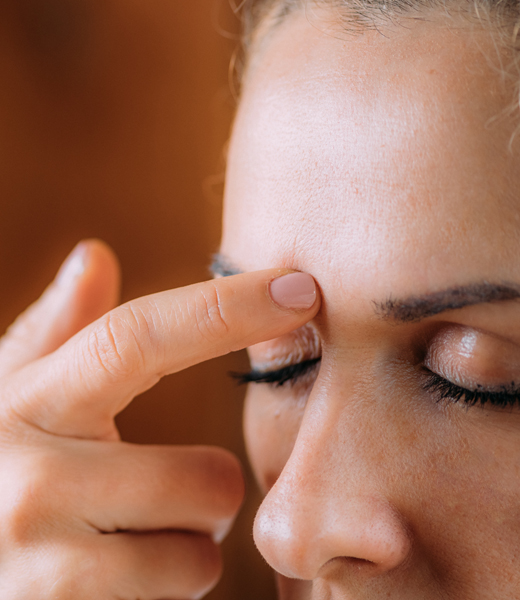
Learn Tapping -
EFT Practice
Tapping, also known as Emotional Freedom Techniques (EFT), is a form of self-help that draws on acupuncture techniques from ancient Chinese medicine.

Mindfulness
Practice
Meditation can be done in a lot of different ways. But our goal isn't to find the best way to meditate. Instead, we want to make it a daily habit.

Journaling
Techniques
Journaling can help you focus, manage stress, cope with depression and anxiety, and organize your life. It can be an excellent tool for meditation.

Mind, Body
& Soul
The mind and the body are inextricably linked to one another, and their interaction have a significant impact on one another.

Support Groups for
Men & Women
A support group gives people a chance to talk about their own experiences, feelings, coping strategies, or information about diseases or treatments.

The SOAP Method
to Quiet Your Mind
How easily do we become entangled and trapped in our own thoughts? One thought leads to another, then another. Soon, we are immersed in a full-blown dramatic...

About Our Online
Community
YANA, facilitates online support groups for individuals and families facing loss, trauma, illness, addiction, codependency, etc...

Psychic Medium
& Holistic Healer.
Psychic Medium Jeff Fleming is a spiritual medium and holistic practitioner. He works with the divine light to connect with Spirit on the other side.

Narcissistic Abuse
& Characteristics
Narcissistic abuse refers to a form of emotional and psychological abuse inflicted by someone with narcissistic personality disorder or traits.
Customer Testimonials

As a medical practitioner, I recommend at least a 15-minute call to Karen if you think you have a problem with alcohol. She is well respected in the field of recovery.

Sunja has been by far the best life coach I've worked with. She cares about what she is doing and is dedicated on making you feel better. Highly recommend attending her group!

I was at one of the lowest times in my life when I met Wellesley. As I got to know him and drew upon his more than 35 years of experience, I realized that I had found the ideal person to accompany me on my healing path.

Amy is a gem and an outstanding group leader! We've covered so much information in four group meetings that group members have begun to open up. I admire her strategy and am appreciative to everyone I've met in the group.

Vikki has been wonderful to work with to help me with my anxiety, depression and stress management. I like his approach and find the other members easy to connect with. I am so grateful for all the connections I made with the members.

Marty is an excellent group facilitator. Even though we all come from various places, the group has been really supportive of me. I'm glad he's helped us out so much!

Jeff has been a pleasure to work with in managing my anxiety, despair, and stress. I appreciate his attitude and find it simple to interact with the other members. I am extremely appreciative of all the relationships I formed with the members.
Amy is a gem and an outstanding group leader! We've covered so much information in four group meetings that group members have begun to open up. I admire her strategy and am appreciative to everyone I've met in the group.
I really appreciate Vikki's time and perspective in helping me work through issues and her ability to help me see my experiences from other vantage points. Her texting in between group sessions is also really helpful to me for reflection. Thank you!
I was at one of the lowest times in my life when I met Wellesley. As I got to know him and drew upon his more than 35 years of experience, I realized that I had found the ideal person to accompany me on my healing path.
Sunja is the best group leader. I've been comforted by her group approach while I go through past trauma. Even when I don't contribute, I'm comfortable listening to the group. Adore her and the group.
Not only has Karen helped me get sober, but she also supported my family during the process. Fortunate to have been referred to her.
Marty is an outstanding group leader. Even though we come from somewhat different backgrounds, the group is quite accepting of my predicament. I appreciate all of his assistance!
When Wellesley came into my life, I was at a point in my life where I had reached my lowest point. His enthusiasm, generosity, and willingness to actually pay attention to what I had to say were all immensely beneficial to me. I will be forever grateful to him.