Sign Up Here!
Grief Support Groups
Yarmouth Grief Support Groups
Your grief depends on your personality, coping style, life experience, faith, and how big the loss was.
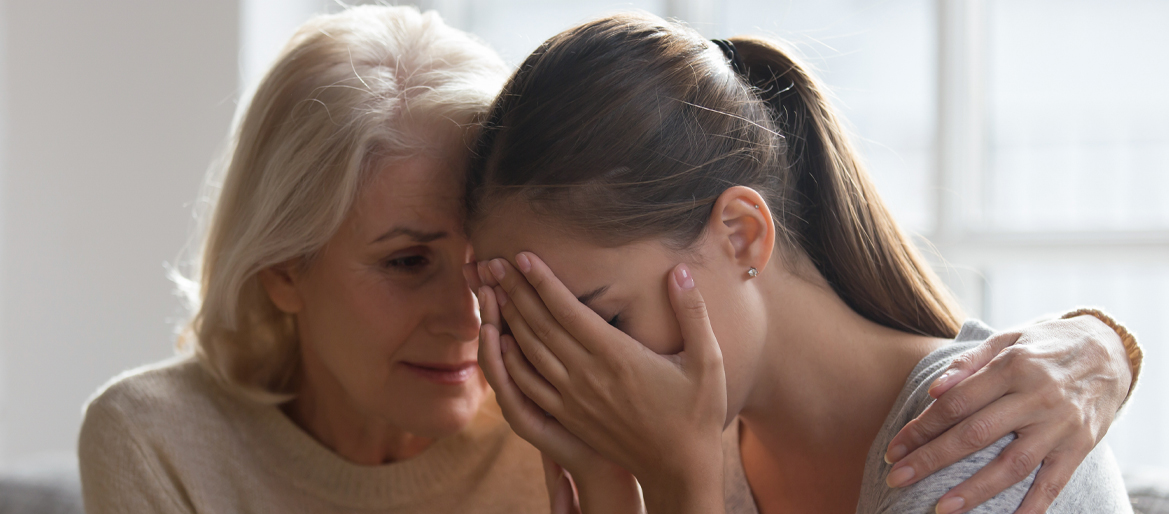
Grief Group
Why does avoiding it seem to make it worse?
In Yarmouth, we have a Grief Support Group Facilitator waiting to take your call.
The grief process is a normal and natural reaction to loss. It refers to the variety of feelings, ideas, and behaviors that people go through as they come to terms with their loss and begin to heal. While everyone's mourning journey is unique, it usually consists of numerous stages or phases;
Denial; The first stage of mourning is generally characterized by shock and disbelief. Individuals in Yarmouth may have difficulty accepting their loss and may feel numb or alienated from reality.
Individuals may experience rage or frustration as the reality of the loss begins to seep in. This can make you upset with other people, feel like you're being treated unfairly, or feel helpless.
Bargaining; At this point, people may try to make a deal with themselves or a higher force to stop or reverse the loss.Making pledges or attempting to modify particular behaviors or beliefs may be involved.
Depression; As the loss becomes more evident, people may experience feelings of sadness, hopelessness, or hopelessness.They may become withdrawn or secluded, and they may struggle with daily activities.
Acceptance; This stage entails accepting the reality of the loss and beginning to adjust to life without the person or object that was lost. While acceptance does not imply that the pain is completely addressed, it can be a significant step toward healing.
It is crucial to remember that the grief process is not linear, and people may wander between stages or experience some stages more deeply than others. Furthermore, the length of time it takes to proceed through the grieving process varies greatly depending on factors such as the nature of the loss, the individual's personality and coping strategies, and the level of support available. Seeking help from friends, family, or a professional in Yarmouth can help you manage your sorrow and discover a route to healing.
Grief Meetings near Yarmouth
A Yarmouth grieving support group might be a savior when someone close to you dies. Those who have suffered similar losses often find solace and comfort in talking to others who understand what they're going through in these types of groups. The support groups are moderated by one of the group leaders or another facilitator who has received YANA-specific training.
Grief support groups of many kinds are explored at YANA.
Everyone in Yarmouth is encouraged to attend these gatherings, whether they have lost a spouse, child, parent, sibling, friend, pet, or any other kind of loved one.People who have lost a parent, spouse, or child may find solace in specialist grief support groups.
To find individuals who understand what it's like to grieve, anyone with access to the internet can join online grief support groups. They don't even have to leave the house to do this!
Groups for the spiritually or religiously bereft frequently meet at houses of worship such churches, synagogues, and mosques (4). For those in the Yarmouth area who are grieving, they provide a safe place to discuss the spiritual aspects of their loss.
Support groups for young people; these groups are designed to meet the specific needs of young people, giving them a place to feel comfortable opening up about their feelings of loss and finding solace in the company of others who understand what they're going through.
People from diverse backgrounds, such as the LGBTQ+ community, military veterans, and those who have suffered a profound loss, can find comfort in the company of others who can relate to their experiences.
For those in Yarmouth who are experiencing loss, YANA is there to help. It's critical to choose a team that seems like a natural fit.
Helping our members in Yarmouth throughout the grief process- What's Normal Grief?
If you or someone you know needs help navigating difficult grief in the Yarmouth area, please fill out the YANA form.
Normal grief is a healthy and natural reaction to a big loss, such as the death of a loved one or the end of an important relationship. It is a complicated process including a variety of emotions, thoughts, and bodily experiences. Some frequent signs of natural grieving include-
1. Extreme sadness, emptiness, and loneliness
2. Anger and impatience
3. Feelings of guilt or regret
4. Difficulties focusing and making judgments
5. Alterations in sleep patterns, appetite, or energy levels 6. Numbness or disbelief
7. Extreme emotions prompted by memories of the loss
8. A yearning for the person or situation that has passed.
Normal grief can be a tough and painful process, but it is a necessary component of the healing process. Allowing yourself to feel your emotions and express them in healthy ways, such as journaling, chatting with a trusted friend or family member, or getting professional help, is critical. It's also critical to look after yourself during this period by getting adequate rest, eating well, and engaging in self-care activities that offer you comfort and joy. While there is no set schedule for sorrow, most people can reach some feeling of acceptance and serenity through time, albeit the particular timeline and process varies from person to person.
If you are facing a loss in your life in Yarmouth, YANA facilitators are here to help
If you're going through a tough time in your life, YANA is a warm and welcoming community that will help you get through it. You can get help from others around you when you grieve.
Grief is a complicated and multidimensional sensation that can express in a variety of ways. Some examples of common types of grief are-
Normal Grief; This is the natural reaction to the loss of a loved one or a big life change. It is characterized by a variety of feelings such as despair, anger, guilt, and disbelief and can last for a different amount of time.
Complicated grieving; This type of grieving is more severe and persistent than typical grief, and it can interfere with daily life. It is marked by persistent feelings of sadness, emptiness, and longing for the deceased, as well as difficulties embracing the loss and moving on.
Anticipatory grieving; This type of grieving comes when people anticipate the loss of a loved one or a significant life change. It might show as despair, anxiety, and stress, and it frequently results in emotional detachment.
Disenfranchised grieving; This type of grieving occurs when a person believes that their loss is not being acknowledged or validated by others. This can occur when someone loses a pet or a non-traditional relationship, for example.It might cause feelings of loneliness and be difficult to articulate or process.
Cumulative grieving; This type of grieving occurs when someone suffer several losses in a short period of time, such as the deaths of several family members or friends. It might cause feelings of overwhelm and emotional weariness.
It's vital to remember that everyone grieves differently, and there is no "right" way to grieve. It is critical to respect your personal experience and seek help when necessary.
Have you had a traumatic loss in your life?
YANA is here to help you experience less pain, no matter what sadness you are experiencing in your life. Participating in our grief support group and learning from our teachings will help you achieve peace.
Disenfranchised grief is pain that society does not openly recognize or support. It occurs when persons in Yarmouth suffer a significant loss that is not acknowledged or validated by those close to them. A pet's death or the death of a loved one who committed suicide, overdosed, or was infected with HIV/AIDS are examples of this type of loss.
Disenfranchised grief can manifest as a range of symptoms, including-
1. Feelings of isolation or loneliness
2. Difficulties expressing or processing grief-related feelings
3. Fear of being misunderstood or judged by others 4. Difficulty asking help from close friends, family, or the community
5. Anger or annoyance at society's reluctance to recognize or validate the loss
6. Difficulty overcoming a loss or finding closure as a result of it
People who believe their loss isn't real or significant enough to be acknowledged may struggle to grieve since they don't believe they're being heard.However, it is critical to acknowledge and accept these emotions since they are a natural and healthy method to cope with loss.Self-care routines and connecting with other people in Yarmouth who have experienced similar losses can both help with bottled sadness. By acknowledging and processing their feelings, people may find closure and begin to recover from their losses.
You are never alone at YANA, no matter what loss you are dealing with in Yarmouth. Managing Complex Grief.
Fill out the YANA webform to get in touch with our Yarmouth grief support group counselors if you need urgent help with a complicated loss.
A type of grief known as complicated sadness can be more severe, last longer, and interfere with daily life. It is distinguished by enduring sadness, emptiness, and longing for the deceased, as well as challenges accepting and getting over the loss.
The following are a few of the most typical indications of complex grieving-
1. Prolonged and severe sadness, hopelessness, and despair2. Difficulty moving on and accepting the loss.
3. Doubt or denial about the loss-related feelings
4. Difficulties experiencing joy
5. The inability to maintain interpersonal connections
6. Steering clear of circumstances that evoke pain or recollections of the loss
7. A strong preoccupation with the deceased person or the broken connection
8. Having trouble carrying out regular tasks or obligations
Complex sadness may result from a sudden or unanticipated loss, a violent or traumatic death, a complicated or troubled relationship with the deceased, or a lack of support or resources during the mourning process.It is imperative that you get support if you are showing signs of complicated mourning since this sort of loss can negatively impact your wellbeing and day-to-day functioning. Depending on the severity of the symptoms and what each person needs, complicated grief in Yarmouth can be treated with counseling, support groups, or medication.
Cumulative Grief Support Group
In Yarmouth, we sincerely apologize for all the loss and grief you have experienced in such a brief amount of time. Just know that we are here for you if you are dealing with several losses, such as losing a job, ending a relationship, losing a loved one, or having multiple members of your family or friends pass onto the next life.The following are some typical signs of cumulative grief-
1. Experiences of heaviness, weariness, or burnout
2. Having trouble understanding or completely feeling the emotions connected to each loss
4. Having trouble finding joy or pleasure in routine activities
3. Having trouble understanding the meaning or purpose of life
5. Sleep issues or changes in appetite
6. Apathy in social situations or connections
7. Having trouble focusing or making judgments
8. A feeling of emotional detachment or numbness
When discussing cumulative loss with our Yarmouth members, we bring up how they feel like they are constantly losing stuff. However, it's crucial to acknowledge and accept these emotions since they represent a natural and constructive method to process loss. By seeking support from others in Yarmouth who have had similar losses and working through their emotions through activities like going to work, people can achieve closure and begin to recover from their losses.
Yarmouth Local News On Family Crisis
Yarmouth, ma: 57.51F Overcast Clouds
Grieving together: navigating the loss of a fellow fire fighter IAFF
How to Cope With Grief: What to Expect and When to Seek Help NYU Langone Health
Recovering the âGiftâ of Grief: Beeson Divinity School Alumnus Publishes Book to Help Believers Grieve Well Samford University
Oil analysts going through âthe stages of griefâ amid Iran war impacting market: Economics editor MS NOW
Grief informs us of the value of something we have lost. Psychology Today
New app 'Steady By Design' aids grieving process with guided support sessions kare11.com
Children living with grief find kindred spirits and expert support Carle Health
The Obscure Word That Helped Novelist Jesmyn Ward Process Her Grief motherjones.com
Understanding Complicated Grief: When Intense Grief Disrupts the Healing Process Verywell Mind
No One Understood Her Grief, So She Took It Online The New York Times
What Science Knows About Grief newyorker.com
The women running death salons for people of color to process grief: âIt allows for freedomâ The Guardian
People are exercising away their grief. What does the science say? CNN
Meredith Lynn Smith | Brother turns sister's death into Stages, a grief support app to help others connect, cope after loss ABC11 News
My daughter collapsed and died before my eyes. I learned British Sign Language to process my grief Big Issue
The second year: Anticipating the Jewish High Holidays after experiencing grief and loss The Jerusalem Post
John Mayer clarifies departure from Dead & Company: âPart of the grieving processâ San Francisco Chronicle
The grief myth: it doesnât come in stages or follow a checklist â like love, it endures The Conversation
Where to find free grief support in Indianapolis Mirror Indy
Personal Perspective: Sadness was expected, but happiness showed up, too. Psychology Today
Of the five stages of AI grief, some managers are stuck in denial Times Higher Education
Grief Myths Busted: The Five Stages of Grief is Misinformation Memorial Funeral Homes | Newport, RI
East Texas hospice wraps up annual grief camp to help children process loss KLTV.com
Dignity Therapy, a form of grief psychotherapy, helps patients process the final stage of life and share lasting thoughts with loved ones - Palliative Care UCLA Health
Dancing with grief through the stages of Huntingtonâs disease huntingtonsdiseasenews.com
Disco to help people in Jersey 'process grief through dance' BBC
R.I.S.E. Northwest: A safe space for grieving kids to heal & connect multicare.org
Free seminar to focus on handling grief process The Sanford Herald
Canât Stop Replaying the Past? You Might Be in This Stage of Grief Oprah Daily
What Is Anticipatory Grief? The Little-Known Way We Mourn Before Loss Oprah Daily
Well-known Norfolk businesswoman dies aged 41 greatyarmouthmercury.co.uk
Dennis-Yarmouth School District receives $146K from state for behavioral, mental health Cape Cod Times
Kathleen B. O'Connell Obituary (2026) - W. Yarmouth, MA - MacKinnon Funeral Home & Cremation Services Legacy obituary
Man accused of attacking officers with pepper spray in Massachusetts court cbsnews.com
Man Pleads Not Guilty By Reason Of Insanity In Hiker Death WBUR
Small police departments turn to liaison to help with difficult responses Portland Press Herald - Maine Sunday Telegram
Massachusetts private equity firm, former mental health care execs settle for $25 million, accused of fraud M MassLive.com
Mary Tierney Obituary | November 1, 2024 Hartford Courant
Dip for Liz in cold Harwich waters raises funds for local youth at risk for substance use Cape Cod Times
Obituary information for Kevin W. Callahan Chapman Funerals & Cremations
Robert Aron Obituary - West Harwich, MA Dignity Memorial
Fall River woman appointed President & CEO of Community Connections, Inc. Fall River Reporter
Genevieve Hegarty Obituary (2021) - West Yarmouth, MA Legacy obituary
Man Charged In Appalachian Trail Attacks Competent For Trial WBUR
Jack Graham, 92 Obituary Cape Cod Times
A 'teachable moment' on gun violence Cape Cod Times
Harwich resident makes 32nd Dip for Liz to raise funds for BHI Cape Cod Times
Military families struggle with food insecurity â before and during the pandemic Cape Cod Times
Should residents be fined for not wearing a face mask in public? Hereâs what you said Cape Cod Times
Yarmouth native to get posthumous honor Cape Cod Times
Lois Murphy Obituary - South Dennis, MA Dignity Memorial
Man sentenced to life for killing neighbor Cape Cod Times
Peter Richmond sentenced to home confinement, probation after deadly 2024 Yarmouth crash Cape Cod Times
Massachusetts Contractor Faces Fines Following Fatal Trench Collapse ohsonline.com
Graeme Hanson Obituary - Yarmouth, ME Dignity Memorial
Bridges Granted Pretrial Probation After 4 Months of Incarceration provincetownindependent.org
Snow and ice on Cape Cod: The week that was from staff photographers Cape Cod Times
Man charged with murder in baseball bat beating death WCVB
Junk-filled house condemned by town Cape Cod Times
Why these candidates are running to represent Barnstable and Yarmouth in the state House Cape Cod Times
Let's Talk
You will receive a 15 minute phone call from our group leader, as an introduction to the program and to discuss suitability. This is free and without obligation.
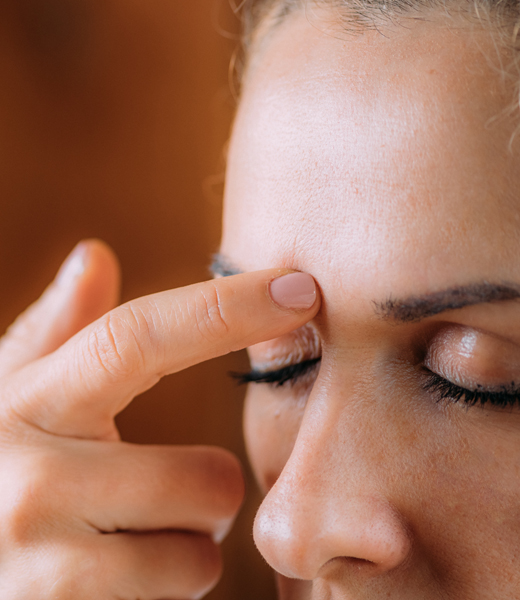
Learn Tapping -
EFT Practice
Tapping, also known as Emotional Freedom Techniques (EFT), is a form of self-help that draws on acupuncture techniques from ancient Chinese medicine.

Mindfulness
Practice
Meditation can be done in a lot of different ways. But our goal isn't to find the best way to meditate. Instead, we want to make it a daily habit.

Journaling
Techniques
Journaling can help you focus, manage stress, cope with depression and anxiety, and organize your life. It can be an excellent tool for meditation.

Mind, Body
& Soul
The mind and the body are inextricably linked to one another, and their interaction have a significant impact on one another.
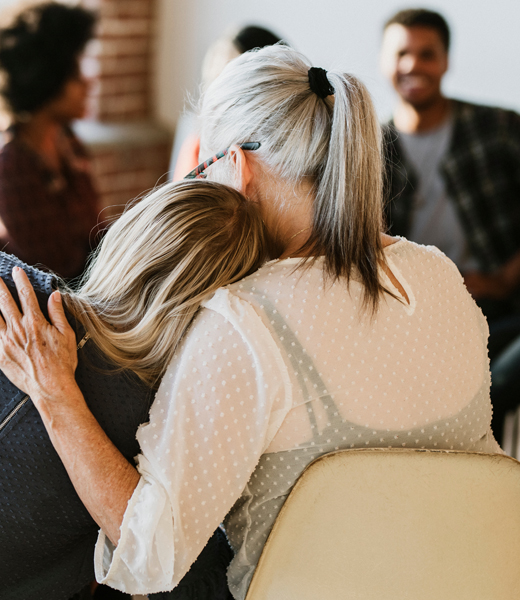
Support Groups for
Men & Women
A support group gives people a chance to talk about their own experiences, feelings, coping strategies, or information about diseases or treatments.

The SOAP Method
to Quiet Your Mind
How easily do we become entangled and trapped in our own thoughts? One thought leads to another, then another. Soon, we are immersed in a full-blown dramatic...

About Our Online
Community
YANA, facilitates online support groups for individuals and families facing loss, trauma, illness, addiction, codependency, etc...

Psychic Medium
& Holistic Healer.
Psychic Medium Jeff Fleming is a spiritual medium and holistic practitioner. He works with the divine light to connect with Spirit on the other side.

Narcissistic Abuse
& Characteristics
Narcissistic abuse refers to a form of emotional and psychological abuse inflicted by someone with narcissistic personality disorder or traits.
Customer Testimonials

As a medical practitioner, I recommend at least a 15-minute call to Karen if you think you have a problem with alcohol. She is well respected in the field of recovery.

Sunja has been by far the best life coach I've worked with. She cares about what she is doing and is dedicated on making you feel better. Highly recommend attending her group!

I was at one of the lowest times in my life when I met Yarmouth. As I got to know him and drew upon his more than 35 years of experience, I realized that I had found the ideal person to accompany me on my healing path.

Amy is a gem and an outstanding group leader! We've covered so much information in four group meetings that group members have begun to open up. I admire her strategy and am appreciative to everyone I've met in the group.

Vikki has been wonderful to work with to help me with my anxiety, depression and stress management. I like his approach and find the other members easy to connect with. I am so grateful for all the connections I made with the members.

Marty is an excellent group facilitator. Even though we all come from various places, the group has been really supportive of me. I'm glad he's helped us out so much!

Jeff has been a pleasure to work with in managing my anxiety, despair, and stress. I appreciate his attitude and find it simple to interact with the other members. I am extremely appreciative of all the relationships I formed with the members.
Amy is a gem and an outstanding group leader! We've covered so much information in four group meetings that group members have begun to open up. I admire her strategy and am appreciative to everyone I've met in the group.
I really appreciate Vikki's time and perspective in helping me work through issues and her ability to help me see my experiences from other vantage points. Her texting in between group sessions is also really helpful to me for reflection. Thank you!
I was at one of the lowest times in my life when I met Yarmouth. As I got to know him and drew upon his more than 35 years of experience, I realized that I had found the ideal person to accompany me on my healing path.
Sunja is the best group leader. I've been comforted by her group approach while I go through past trauma. Even when I don't contribute, I'm comfortable listening to the group. Adore her and the group.
Not only has Karen helped me get sober, but she also supported my family during the process. Fortunate to have been referred to her.
Marty is an outstanding group leader. Even though we come from somewhat different backgrounds, the group is quite accepting of my predicament. I appreciate all of his assistance!
When Yarmouth came into my life, I was at a point in my life where I had reached my lowest point. His enthusiasm, generosity, and willingness to actually pay attention to what I had to say were all immensely beneficial to me. I will be forever grateful to him.