Sign Up Here!
Grief Support Groups
Dartmouth Grief Support Groups
How you grieve relies on many things, like your personality and coping style, your life experiences, your faith, and how important the loss was to you.

Grief Group
Why does avoiding it seem to make it worse?
A Grief Support Group Leader is standing by to answer your call in Dartmouth.
When someone we care about dies, our natural response is mourning. Individuals go through a range of emotions, thoughts, and actions as they mourn and begin to heal. Even though the process of grief is different for everyone, it typically comprises of several stages;
The initial reaction to a loss is often one of denial and disbelief. People in Dartmouth may have trouble processing their grief, leading them to feel numb or detached from the world around them.
It's natural to feel enraged or upset when the weight of the loss begins to settle in.This may lead you to feel frustrated with other people, victimized, or helpless.
People may attempt to bargain with themselves or a higher force at this stage to halt or reverse the loss. Making promises or making an effort to alter one's conduct or outlook are possible components.
Depression; As the reality of the loss sets in, so too do the resulting feelings of despair, hopelessness, and helplessness. They may retreat inside themselves or isolate themselves, and find it difficult to go about their normal routines.
The second phase of grief is acceptance, which requires coming to terms with the loss and making preparations for moving on without the deceased. Even if acceptance doesn't erase all of the hurt, it's often the first step in recovery.
It's important to keep in mind that the phases of mourning are not sequential and that a person's experience may vary greatly from one stage to the next. The time it takes to recover from a loss varies greatly based on a number of factors, including the nature of the loss, the individual's coping style, and the strength of their social network.In order to cope with your loss and find your way back to health, reaching out for support from Dartmouth's friends, family, or professionals is highly recommended.
Grief Groups in the Dartmouth Area
A Dartmouth grieving support group can be an invaluable resource after the loss of a loved one. People who have suffered similar losses can talk freely and openly with one another in these types of groups. The support groups are moderated by one of the group leaders or a facilitator who has received YANA-specific training.
At YANA, we talk about the many different options for bereavement support groups.
Anyone in Dartmouth who has lost a spouse, child, parent, sibling, friend, pet, or any other kind of loved one is welcome to attend these gatherings.
Specialized grief support groups may be helpful for people who have lost a parent, spouse, or kid.
There are several online grief support groups available to anyone with internet connection who has experienced a loss. They don't even have to leave the house to accomplish it!
The fourth type of grief support group meets in religious buildings such churches, synagogues, and mosques. People in the Dartmouth area have a place to go where they may open up about the spiritual aspects of their loss without fear of judgment.
Youth support groups; These groups are designed specifically for the needs of young people, giving them a place to feel comfortable opening up about their feelings of loss and finding solace in the company of peers.
The LGBTQ+ community, veterans, and people who have suffered a major loss all have access to specialized support groups.
Those in Dartmouth who are experiencing loss can find support at YANA. Choosing a group that feels natural together is quite important.
Supporting our Dartmouth members through the grieving process; What's Normal Grief?
Please complete the YANA form if you or someone you know needs assistance in the Dartmouth area dealing with traumatic sorrow.
Normal sorrow is a normal and healthy response to a significant loss, like the death of a loved one or the dissolution of a significant relationship. It is a difficult process that involves a range of feelings, ideas, and physical sensations. Common indications of normal grief include-
1. Extreme melancholy, emptiness, and loneliness
2. Rage and impatience
3. Guilt or remorse 3. Focusing issues and poor judgment
4. Changes in appetite, sleep habits, or energy levels
5. Numbness or shock
6. Strong feelings brought on by thoughts of the loss
7. A longing for someone or something that has passed away.
Even though normal sorrow can be a difficult and painful process, it is an essential step in the healing process. It's crucial to give yourself permission to experience your emotions and express them in healthy ways, such as writing in a journal, speaking with a dependable friend or family member, or seeking professional assistance. It's crucial to look after yourself during this time by getting enough sleep, eating well, and engaging in activities that make you feel at ease and happy. but there is no defined timetable for grieving, most people eventually manage to feel some kind of acceptance and tranquility, but the specific date and process varies from person to person.
If you live in Dartmouth and have lost someone important in your life, YANA trainers are here to help.
If you're going through a hard time in your life, YANA is a friendly group that will help you get through it. When you're sad, people around you can help you.
Grief is a difficult feeling with many different sides that can be shown in many different ways. Some common types of sadness include-
Normal Grief; This is a normal response to losing a loved one or going through a big change in life. Depression can last for different lengths of time and is marked by feelings like hopelessness, anger, guilt, and denial.
Grief that is difficult is stronger and lasts longer than normal grief, and it can get in the way of daily life.It's a feeling of sadness, emptiness, and longing for the person who died that lasts for a long time. It's also hard to come to terms with the loss and move on.
Anticipatory grief is when someone is sad because they expect to lose a loved one or have a big change in their lives. It can show up as depression, anxiety, or stress, and it often leads to mental distance.
Disenfranchised sadness is when someone feels like no one understands or cares about their loss.This can happen, for example, when a person loses a pet or a non-traditional relationship. It could make you feel alone and make it hard to talk about or understand.
Cumulative grief happens when someone loses more than one person in a short amount of time, like when several family members or friends die in a short amount of time. It could make you feel overwhelmed and emotionally worn out.
Everyone grieves differently, and there is no "right" way to grieve. It's important to respect your own experience and ask for help when you need it.
Do you anticipate suffering a tragic loss soon?
No of the type of loss you are experiencing, YANA is here to help you feel less anguish. By taking part in our grief support group and absorbing our lessons, you can find peace.
A form of sadness known as disenfranchised grief is one that society doesn't openly acknowledge or support. When someone in Dartmouth experiences a significant loss that is not acknowledged or validated by others who are close to them, it occurs. This form of loss could be the passing of a pet or the loss of a loved one who overdosed, committed suicide, or was HIV/AIDS positive.
Disenfranchised grief can manifest as a number of symptoms, including-
1. Feelings of isolation or loneliness
2. Having trouble understanding or expressing feelings associated with bereavement
3. Having problems asking for help from close friends, family, or the community.4. Anxiety over being misunderstood or criticized by others.
5. Angry or irritated that society has not recognized or validated the loss.
6. Having trouble moving past a loss or obtaining closure as a result of it
People who don't feel as though their loss is being heard or isn't significant enough to warrant acknowledgment may find it difficult to grieve.However, it's critical to acknowledge and accept these emotions since they are a normal and healthy way to process loss.Exercises for self-care and building relationships with others in Dartmouth who have had analogous losses can also be helpful in managing imprisoned grief. By recognizing and expressing these emotions, people may achieve closure and begin to move past their losses.
No matter how devastating your Dartmouth loss may be, you can always count on having a supportive community in YANA. Managing Difficult Loss.
Please fill out the YANA webform to get in touch with our grief support group counselors in Dartmouth if you need immediate assistance with a profound loss.
Intense and protracted mourning, known as complicated sadness, can cause significant difficulties in day-to-day functioning. It's defined by a failure to accept and get past the loss, as well as persistent feelings of sadness, emptiness, and longing for the deceased.
Common symptoms of difficult grief include-
1. extreme and persistent sadness, despondency, and helplessness
2. Having a hard time grieving and moving on.
3. Having trouble believing it happened or refusing to accept it
4. Difficulty experiencing positive emotions
5. Difficulty keeping connections together
6. Staying away from anything that can trigger sad thoughts or recollections of the loss
7. An unhealthy preoccupation with the deceased or the severed connection
8. Difficulty in completing routine tasks
Complex grief can result from a number of factors, including but not limited to; losing someone suddenly or unexpectedly, experiencing a violent or traumatic death, having a tumultuous relationship with the deceased, or not having access to adequate support or resources while mourning. Seek help immediately if you recognize the symptoms of complicated mourning, since they can have a significant impact on your day-to-day functioning and health. Depending on the severity of symptoms and the needs of the individual, counselling, support groups, or medication may be used to help those experiencing complicated grief in Dartmouth.
Cumulative Grief Groups
We at Dartmouth truly regret all the loss and grief you have endured in such a little period of time. If you are experiencing multiple losses, such as losing a job, ending a relationship, losing a loved one, or losing numerous family members or friends, just know that we are here for you.
These are some classic indicators of cumulative grief-
1. Feelings of heaviness, exhaustion, or burnout
2. Struggling to fully comprehend or experience the emotions associated with each loss.
3. Finding it difficult to enjoy or find delight in everyday tasks
4. Struggling to make sense of the world or find one's place in it
5. Not understanding the meaning or point of life.
6. Having difficulties sleeping or changing their appetite
7. Apathy in social interactions or circumstances
8. Having problems concentrating or making decisions
9. A sense of numbness or emotional detachment
We bring up how they feel like they are always losing things while talking about cumulative sorrow with our Dartmouth participants. But because these emotions are a normal and healthy way to process loss, it's crucial to acknowledge and accept them. individuals can come to terms with their losses and start to heal by talking to other individuals in Dartmouth who have experienced similar losses and working through their emotions through activities like going to work.
Dartmouth Local News On Family Crisis
Dartmouth, ma: 105.87F Few Clouds
Where to find free grief support in Indianapolis Mirror Indy
Grief informs us of the value of something we have lost. Psychology Today
Meredith Lynn Smith | Brother turns sister's death into Stages, a grief support app to help others connect, cope after loss ABC11 News
The women running death salons for people of color to process grief: âIt allows for freedomâ The Guardian
No One Understood Her Grief, So She Took It Online The New York Times
The Obscure Word That Helped Novelist Jesmyn Ward Process Her Grief Mother Jones
Of the five stages of AI grief, some managers are stuck in denial Times Higher Education
What Science Knows About Grief The New Yorker
The grief myth: it doesnât come in stages or follow a checklist â like love, it endures The Conversation
Grief camp helps kids process loss 28/22 News
Grief Myths Busted: The Five Stages of Grief is Misinformation Memorial Funeral Homes | Newport, RI
Palisades High Students Process Fire Grief Through Experiential Chimney Workshops Palisadian-Post
East Texas hospice wraps up annual grief camp to help children process loss KLTV.com
What Is Anticipatory Grief? The Little-Known Way We Mourn Before Loss Oprah Daily
Dignity Therapy, a form of grief psychotherapy, helps patients process the final stage of life and share lasting thoughts with loved ones - Palliative Care uclahealth.org
Grief Travel Is Growing Fast â Hereâs Why More Travelers Are Booking Healing Retreats Raleigh News & Observer
Grief camp helps kids process loss | 28/22 News Yahoo
R.I.S.E. Northwest: A safe space for grieving kids to heal & connect multicare.org
Canât Stop Replaying the Past? You Might Be in This Stage of Grief Oprah Daily
New program helps Utah children process trauma and grief before it follows them into adulthood KSL.com
East Texas hospice wraps up annual grief camp to help children process loss KLTV.com
Ecological grief: crying out for science on common ground Frontiers
âGrief is a beastâ: Interventional care, palliative care. Itâs time to consider bereavement care. chicagotribune.com
Grief column: What to expect when you seek bereavement counseling Greater Long Island
Dancing with grief through the stages of Huntingtonâs disease huntingtonsdiseasenews.com
Research finds 70% of bereaved people say nature helps them process grief, but 25% lack access to green space thedirt.news
Christiansburg author using storytelling to help children process grief and loss WDBJ7
Stories of Grief and How to Live with Death The Wheaton Record
A Rainier Beach Filmmaker Turned Grief Into Documentary About Green Burials South Seattle Emerald
Managing Grief and Bereavement Psychiatrist.com
Author talk illustrates the connection between doodling and mental health Dartmouth Week
Southcoast Behavioral Health Expands Services and Capacity Business Wire
Laura Ward Tâ89 Is Tackling the Mental Health Stigma Dartmouth's Tuck School of Business
Dartmouth takes over psychiatric treatment for children at Hampstead Hospital New Hampshire Bulletin
Christopher McGuire '22: Honors College psychology major will pursue doctorate in clinical psychology UMass Dartmouth
Mass. is emerging as a haven for trans youth seeking care as restrictions reach deeper in New England The Boston Globe
One Day, One Mission: SouthCoast Honors Tyler Leonard While Raising Mental Health Awareness FUN 107
Mental health and the older adult population discussed in latest Heads Up Dartmouth Health webinar Seacoastonline.com
Faunce Corner psychiatric facility second in state for complaints Dartmouth Week
Dual diagnosis: a review of etiological theories National Institutes of Health (NIH) | (.gov)
Southcoast Health announces new providers for Fall River, New Bedford, Wareham, Fairhaven, Dartmouth, Seekonk, Lakeville Fall River Reporter
Adolescent Mental Health Facility Opens In North Dartmouth 1420 WBSM
May 18 â Stress 1 â Department of Epidemiology Geisel School of Medicine at Dartmouth
Dartmouth man given 25 to life for murder Dartmouth Week
UMassD PD welcomes four-legged recruit, swears in Bella UMass Dartmouth
Chelsey Silva '22: From the Air National Guard to the Honors College UMass Dartmouth
Meet the 2023 Valedictorians and Salutatorians Dartmouth
New television show highlights mental health in the community Dartmouth Week
Dr. Ann Potter named Medical Director of Southcoast Behavioral Health Dartmouth Week
âHeal the Healersâ highlights need for self-care Dartmouth Week
Crystal C. Campbell Obituary Sep 13, 2024 obits.concordfuneral.com
Southcoast Behavioral Health doubling beds for child, teen patients at Dartmouth facility SouthCoastToday.com
A 'blatant' disparity: Massachusetts mental health patients often wait for days in hospital emergency rooms MassLive
This Dartmouth Shaw's Bag Has a Bigger Purpose FUN 107
UMass Law students are among inaugural judicial and public service interns UMass Dartmouth
Ambrosina daSilva Vitorino Obituary Jun 7, 2025 Perry Funeral Home
2024 Best & Brightest MBA: Lauren Baltrus, Dartmouth College (Tuck) Poets&Quants
Dartmouth police begin using emergency service clinicians specializing in mental health SouthCoastToday.com
He Has Serious Dementia. Courts Are Still Waiting to Try Him for Murder. The Marshall Project
Tragedy in Duxbury Raises Questions About Maternal Mental Health NBC Boston
Let's Talk
You will receive a 15 minute phone call from our group leader, as an introduction to the program and to discuss suitability. This is free and without obligation.
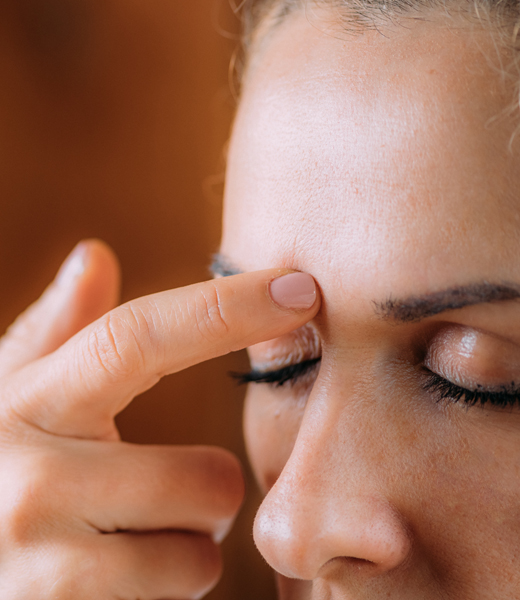
Learn Tapping -
EFT Practice
Tapping, also known as Emotional Freedom Techniques (EFT), is a form of self-help that draws on acupuncture techniques from ancient Chinese medicine.

Mindfulness
Practice
Meditation can be done in a lot of different ways. But our goal isn't to find the best way to meditate. Instead, we want to make it a daily habit.

Journaling
Techniques
Journaling can help you focus, manage stress, cope with depression and anxiety, and organize your life. It can be an excellent tool for meditation.

Mind, Body
& Soul
The mind and the body are inextricably linked to one another, and their interaction have a significant impact on one another.
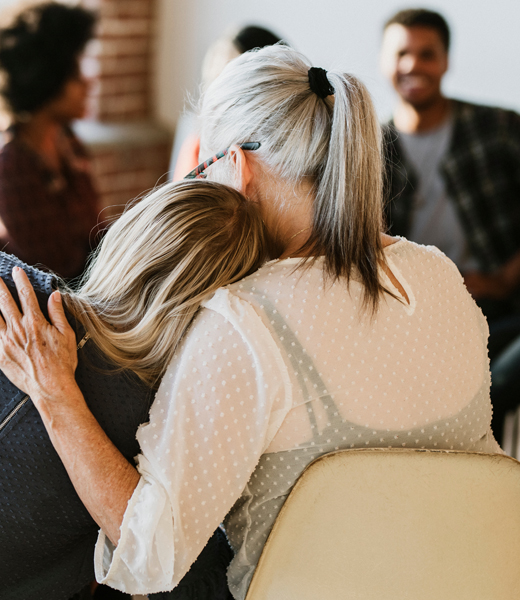
Support Groups for
Men & Women
A support group gives people a chance to talk about their own experiences, feelings, coping strategies, or information about diseases or treatments.

The SOAP Method
to Quiet Your Mind
How easily do we become entangled and trapped in our own thoughts? One thought leads to another, then another. Soon, we are immersed in a full-blown dramatic...

About Our Online
Community
YANA, facilitates online support groups for individuals and families facing loss, trauma, illness, addiction, codependency, etc...

Psychic Medium
& Holistic Healer.
Psychic Medium Jeff Fleming is a spiritual medium and holistic practitioner. He works with the divine light to connect with Spirit on the other side.

Narcissistic Abuse
& Characteristics
Narcissistic abuse refers to a form of emotional and psychological abuse inflicted by someone with narcissistic personality disorder or traits.
Customer Testimonials

As a medical practitioner, I recommend at least a 15-minute call to Karen if you think you have a problem with alcohol. She is well respected in the field of recovery.

Sunja has been by far the best life coach I've worked with. She cares about what she is doing and is dedicated on making you feel better. Highly recommend attending her group!

I was at one of the lowest times in my life when I met Dartmouth. As I got to know him and drew upon his more than 35 years of experience, I realized that I had found the ideal person to accompany me on my healing path.

Amy is a gem and an outstanding group leader! We've covered so much information in four group meetings that group members have begun to open up. I admire her strategy and am appreciative to everyone I've met in the group.

Vikki has been wonderful to work with to help me with my anxiety, depression and stress management. I like his approach and find the other members easy to connect with. I am so grateful for all the connections I made with the members.

Marty is an excellent group facilitator. Even though we all come from various places, the group has been really supportive of me. I'm glad he's helped us out so much!

Jeff has been a pleasure to work with in managing my anxiety, despair, and stress. I appreciate his attitude and find it simple to interact with the other members. I am extremely appreciative of all the relationships I formed with the members.
Amy is a gem and an outstanding group leader! We've covered so much information in four group meetings that group members have begun to open up. I admire her strategy and am appreciative to everyone I've met in the group.
I really appreciate Vikki's time and perspective in helping me work through issues and her ability to help me see my experiences from other vantage points. Her texting in between group sessions is also really helpful to me for reflection. Thank you!
I was at one of the lowest times in my life when I met Dartmouth. As I got to know him and drew upon his more than 35 years of experience, I realized that I had found the ideal person to accompany me on my healing path.
Sunja is the best group leader. I've been comforted by her group approach while I go through past trauma. Even when I don't contribute, I'm comfortable listening to the group. Adore her and the group.
Not only has Karen helped me get sober, but she also supported my family during the process. Fortunate to have been referred to her.
Marty is an outstanding group leader. Even though we come from somewhat different backgrounds, the group is quite accepting of my predicament. I appreciate all of his assistance!
When Dartmouth came into my life, I was at a point in my life where I had reached my lowest point. His enthusiasm, generosity, and willingness to actually pay attention to what I had to say were all immensely beneficial to me. I will be forever grateful to him.