Sign Up Here!
Grief Support Groups
Concord Grief Support Groups
How you grieve is influenced by a variety of things, such as your personality and ways of coping, your life experience, your religious beliefs, and the importance of the loss to you.

Grief Group
Why is it necessary to grieve before moving on?
A Grief Support Group Facilitator is ready to take your call in Concord.
Grief is a normal and natural way to deal with loss. It means the different ways people feel, think, and act as they come to terms with their loss and start to heal. Even though everyone's journey through grief is different, it usually has several steps or phases;
Denial; The first step of mourning is usually shock and not being able to believe what happened. People in Concord may have trouble coming to terms with their loss and may feel numb or cut off from reality.
As people start to realize how bad the loss is, they may feel angry or upset.This can make you feel angry at other people, like you're being treated badly, or like you can't do anything about it.
Bargaining; At this point, people may try to make a deal with themselves or a greater power to stop or reverse the loss. Making promises or trying to change certain behaviors or views may be a part of it.
Depression; As the loss becomes clearer, people may feel sad, hopeless, or powerless. They may become shy or isolated, and they may have trouble doing everyday things.
Acceptance; In this stage, you come to terms with the fact that the person or thing you lost is gone and start getting used to life without them. Even though acceptance doesn't mean that all the pain is gone, it can be a big step toward getting better.
It's important to remember that the stages of grief are not in a straight line, and that people may jump from one stage to the next or feel some stages more deeply than others. Also, the length of time it takes to get through the grieving process depends a lot on things like the type of loss, the person's personality and ways of coping, and how much help they have.In Concord, getting help from friends, family, or a professional can help you deal with your sadness and find a way to heal.
Meetings for Grief Support in Concord
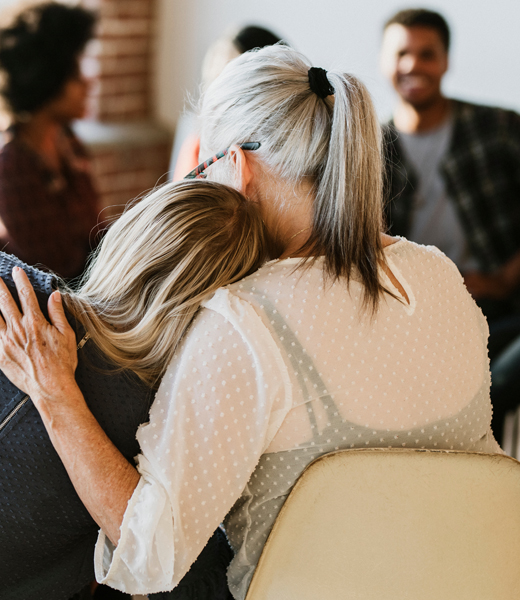
A Concord grieving support group might be a lifeline when someone close to you dies. Those who have suffered similar losses can express their ideas, feelings, and experiences in these safe and friendly environments. The support groups are led by one of the group leaders or a facilitator with YANA-specific training.
YANA discusses many forms of grief support groups.
1. These sessions are open to anyone in Concord who has lost a loved one, such as a spouse, a child, a parent, a sibling, a friend, a pet, or anything else.
2. Those who have experienced a specific loss, such as the death of a parent, spouse, or child, may find comfort in specialist grief support groups.
3. Anyone with internet connection can participate in online grief support groups and connect with others who have suffered similar losses. They can do it from the convenience of their own homes.
4. Religious or spiritual grief support groups frequently meet in places of worship such as churches, synagogues, and mosques. They provide a safe forum for folks in the Concord area to discuss the spiritual aspects of bereavement.
5. Youth support groups; These groups are customized to the specific requirements of young people and give a secure space for them to explore their feelings and interact with others who can relate to their loss experience.
6. There are support groups for those who have similar experiences, such as the LGBTQ+ community, veterans, or those who have suffered a severe loss.
Residents of Concord who are grieving have access to resources at YANA. It is critical to select a group that appears to be a natural fit.
Supporting our Concord community members as they experience loss; How Typical Is a Feeling of Loss?
Please fill out the YANA form if you or someone you know in the Concord area is experiencing significant sorrow and could use some assistance.
Loss of a loved one or the end of a significant relationship can trigger normal sadness, which is a healthy and natural response. It's an intricate procedure that involves many distinct mental and physical states. Examples of normal grief reactions include-
1. Deep melancholy, emptiness, and isolation
2. Anger and impatience
3. Inattention and poor decision-making
4. Changes in how you feel emotionally or physically
5. Feelings of numbness or disbelief
6. Strong feelings brought on by thoughts about the deceased
7. Having a strong desire to reconnect with a past event or person.
The normal process of grieving can be difficult and painful, but it is essential to moving on with life after loss. It's crucial to give yourself permission to experience and express your emotions in healthy ways, including writing in a journal, talking to a trusted friend or family member, or seeking professional treatment. It's also crucial to prioritize self-care now by getting enough sleep, eating well, and engaging in activities that offer you comfort and joy. While there's no timetable for grief, most people do eventually find peace and acceptance, but the pace and method of this process varies widely from person to person.
If you live in Concord and have lost someone important in your life, YANA trainers are here to help.
If you're going through a hard time in your life, YANA is a friendly group that will help you get through it. When you're sad, people around you can help you.
Grief is a difficult feeling with many different sides that can be shown in many different ways. Some common types of sadness include-
Normal Grief; This is a normal response to losing a loved one or going through a big change in life. Depression can last for different lengths of time and is marked by feelings like hopelessness, anger, guilt, and denial.
Grief that is difficult is stronger and lasts longer than normal grief, and it can get in the way of daily life.It's a feeling of sadness, emptiness, and longing for the person who died that lasts for a long time. It's also hard to come to terms with the loss and move on.
Anticipatory grief is when someone is sad because they expect to lose a loved one or have a big change in their lives. It can show up as depression, anxiety, or stress, and it often leads to mental distance.
Disenfranchised sadness is when someone feels like no one understands or cares about their loss.This can happen, for example, when a person loses a pet or a non-traditional relationship. It could make you feel alone and make it hard to talk about or understand.
Cumulative grief happens when someone loses more than one person in a short amount of time, like when several family members or friends die in a short amount of time. It could make you feel overwhelmed and emotionally worn out.
Everyone grieves differently, and there is no "right" way to grieve. It's important to respect your own experience and ask for help when you need it.
Do you anticipate suffering a tragic loss soon?
No of the type of loss you are experiencing, YANA is here to help you feel less anguish. By taking part in our grief support group and absorbing our lessons, you can find peace.
A form of sadness known as disenfranchised grief is one that society doesn't openly acknowledge or support. When someone in Concord experiences a significant loss that is not acknowledged or validated by others who are close to them, it occurs. This form of loss could be the passing of a pet or the loss of a loved one who overdosed, committed suicide, or was HIV/AIDS positive.
Disenfranchised grief can manifest as a number of symptoms, including-
1. Feelings of isolation or loneliness
2. Having trouble understanding or expressing feelings associated with bereavement
3. Having problems asking for help from close friends, family, or the community.4. Anxiety over being misunderstood or criticized by others.
5. Angry or irritated that society has not recognized or validated the loss.
6. Having trouble moving past a loss or obtaining closure as a result of it
People who don't feel as though their loss is being heard or isn't significant enough to warrant acknowledgment may find it difficult to grieve.However, it's critical to acknowledge and accept these emotions since they are a normal and healthy way to process loss.Exercises for self-care and building relationships with others in Concord who have had analogous losses can also be helpful in managing imprisoned grief. By recognizing and expressing these emotions, people may achieve closure and begin to move past their losses.
At YANA, you are never alone despite the magnitude of your loss in Concord. Coping with Difficult Grief.
If you need immediate assistance with a complicated loss, please fill out the YANA webform to reach out to our Concord grief support group counselors.
Complicated sadness is a sort of grief that is more acute, lasts longer, and can interfere with daily life. It is distinguished by persistent feelings of sadness, emptiness, and longing for the deceased, as well as difficulties accepting and moving on from loss.
Some of the most common symptoms of complicated grief are-
1. Long-lasting and severe sorrow, despair, and hopelessness
2. Difficulty accepting and moving on after a loss.
3. Disbelief or denial over the loss
4. Difficulties experiencing pleasant emotions
5. Trouble maintaining interpersonal interactions
6. Avoiding situations that evoke memories of the loss or cause pain.
7. A strong attachment to the deceased person or a broken relationship
8. Difficulty carrying out everyday tasks or responsibilities
Complex sadness can result from a sudden or unexpected loss, a violent or traumatic death, a complicated or troubled connection with the person who died, or a lack of support or resources during the mourning process.If you are exhibiting symptoms of complicated grief, it is vital that you seek help since this form of loss can interfere with your daily life and health. Therapy, support groups, or medication can be used to treat complicated grief in Concord, depending on the severity of the symptoms and what each individual requires.
Cumulative Grief Groups
We at Concord truly regret all the loss and grief you have endured in such a little period of time. If you are experiencing multiple losses, such as losing a job, ending a relationship, losing a loved one, or losing numerous family members or friends, just know that we are here for you.
These are some classic indicators of cumulative grief-
1. Feelings of heaviness, exhaustion, or burnout
2. Struggling to fully comprehend or experience the emotions associated with each loss.
3. Finding it difficult to enjoy or find delight in everyday tasks
4. Struggling to make sense of the world or find one's place in it
5. Not understanding the meaning or point of life.
6. Having difficulties sleeping or changing their appetite
7. Apathy in social interactions or circumstances
8. Having problems concentrating or making decisions
9. A sense of numbness or emotional detachment
We bring up how they feel like they are always losing things while talking about cumulative sorrow with our Concord participants. But because these emotions are a normal and healthy way to process loss, it's crucial to acknowledge and accept them. individuals can come to terms with their losses and start to heal by talking to other individuals in Concord who have experienced similar losses and working through their emotions through activities like going to work.
Concord News On Family Crisis
Concord, nh: 56.23F Clear Sky
Grieving together: navigating the loss of a fellow fire fighter IAFF
How to Cope With Grief: What to Expect and When to Seek Help NYU Langone Health
Recovering the âGiftâ of Grief: Beeson Divinity School Alumnus Publishes Book to Help Believers Grieve Well Samford University
Oil analysts going through âthe stages of griefâ amid Iran war impacting market: Economics editor MS NOW
Grief informs us of the value of something we have lost. Psychology Today
New app 'Steady By Design' aids grieving process with guided support sessions kare11.com
Children living with grief find kindred spirits and expert support Carle Health
The Obscure Word That Helped Novelist Jesmyn Ward Process Her Grief motherjones.com
Understanding Complicated Grief: When Intense Grief Disrupts the Healing Process Verywell Mind
No One Understood Her Grief, So She Took It Online The New York Times
What Science Knows About Grief newyorker.com
The women running death salons for people of color to process grief: âIt allows for freedomâ The Guardian
People are exercising away their grief. What does the science say? CNN
Meredith Lynn Smith | Brother turns sister's death into Stages, a grief support app to help others connect, cope after loss ABC11 News
My daughter collapsed and died before my eyes. I learned British Sign Language to process my grief Big Issue
The second year: Anticipating the Jewish High Holidays after experiencing grief and loss The Jerusalem Post
John Mayer clarifies departure from Dead & Company: âPart of the grieving processâ San Francisco Chronicle
The grief myth: it doesnât come in stages or follow a checklist â like love, it endures The Conversation
Where to find free grief support in Indianapolis Mirror Indy
Personal Perspective: Sadness was expected, but happiness showed up, too. Psychology Today
Of the five stages of AI grief, some managers are stuck in denial Times Higher Education
Grief Myths Busted: The Five Stages of Grief is Misinformation Memorial Funeral Homes | Newport, RI
East Texas hospice wraps up annual grief camp to help children process loss KLTV.com
Dignity Therapy, a form of grief psychotherapy, helps patients process the final stage of life and share lasting thoughts with loved ones - Palliative Care UCLA Health
Dancing with grief through the stages of Huntingtonâs disease huntingtonsdiseasenews.com
Disco to help people in Jersey 'process grief through dance' BBC
R.I.S.E. Northwest: A safe space for grieving kids to heal & connect multicare.org
Free seminar to focus on handling grief process The Sanford Herald
Canât Stop Replaying the Past? You Might Be in This Stage of Grief Oprah Daily
What Is Anticipatory Grief? The Little-Known Way We Mourn Before Loss Oprah Daily
Youth mental health improves, New Hampshire survey reports Concord Monitor
Psychiatric patient involved in Concord search charged with multiple offenses Concord Monitor
New Hampshire teen survey shows improved mental health, community connection WCAX
Concord to keep 16 mental health beds after state backs off relocation and foundation steps in to fund services New Hampshire Public Radio
Governor Ayotte Calls for Protecting Childrenâs Mental Health Coverage Governor Kelly Ayotte (.gov)
Mental health advocates hope Meta settlement funds go to more resources WMUR
N.H. expands mental health support for volunteer first responders EMS1
Police search for escaped New Hampshire Hospital patient Concord Monitor
Bridge to Recovery Walk returns Sept. 20 to support mental health, substance use recovery The Laconia Daily Sun
Grant will help Colby-Sawyer College train more regional mental health experts Valley News
Governor signs bill to expand mental health coverage for volunteer first responders in NH WMUR
Mental health takes biggest hit in NH DHHS budget cuts Concord Monitor
Opinion: The future of mental health coverage Concord Monitor
âWhat if they knew?â: Mental health workers break silence on their struggles Concord Monitor
Opinion: Reforming mental health care for NH families Concord Monitor
NH House stalls bill requiring private insurers to cover childrenâs mental health services Concord Monitor
Former Warner resident sues NH Hospitals, town over mental healthcare mistreatment Concord Monitor
Concord High School students tackle mental health issues on stage Concord Monitor
Report card reflects New Hampshire's maternal mental health improvements, room for growth Concord Monitor
Keach cookout aims to break down mental health stigma in African American community Concord Monitor
Opinion: Mental health and substance misuse are an everyone problem Concord Monitor
Opinion: Help improve mental health support in New Hampshire Concord Monitor
NH lawmakers fail to reach deal on childrenâs behavioral health bill New Hampshire Public Radio
NH bill asks private insurers to pick up tab for childrenâs wraparound mental health services Concord Monitor
Nashua mental health center to open at new site after gas explosion Concord Monitor
Bill expanding mental health coverage for children fails to pass New Hampshire House WMUR
New Hampshire Youth Mental Health Art Contest, Magnify Voices, Draws Record Entries Patch
State lawmakers look for agreement on bills as deadlines loom New Hampshire Public Radio
Ayotte targets Anthem over child mental health coverage hours before House shelves fix Concord Monitor
NH lawmakers reject plea from Ayotte, delay action on children's mental health coverage bill WMUR
Let's Talk
You will receive a 15 minute phone call from our group leader, as an introduction to the program and to discuss suitability. This is free and without obligation.

Learn Tapping -
EFT Practice
Tapping, also known as Emotional Freedom Techniques (EFT), is a form of self-help that draws on acupuncture techniques from ancient Chinese medicine.

Mindfulness
Practice
Meditation can be done in a lot of different ways. But our goal isn't to find the best way to meditate. Instead, we want to make it a daily habit.

Journaling
Techniques
Journaling can help you focus, manage stress, cope with depression and anxiety, and organize your life. It can be an excellent tool for meditation.

Mind, Body
& Soul
The mind and the body are inextricably linked to one another, and their interaction have a significant impact on one another.
Support Groups for
Men & Women
A support group gives people a chance to talk about their own experiences, feelings, coping strategies, or information about diseases or treatments.

The SOAP Method
to Quiet Your Mind
How easily do we become entangled and trapped in our own thoughts? One thought leads to another, then another. Soon, we are immersed in a full-blown dramatic...

About Our Online
Community
YANA, facilitates online support groups for individuals and families facing loss, trauma, illness, addiction, codependency, etc...

Psychic Medium
& Holistic Healer.
Psychic Medium Jeff Fleming is a spiritual medium and holistic practitioner. He works with the divine light to connect with Spirit on the other side.

Narcissistic Abuse
& Characteristics
Narcissistic abuse refers to a form of emotional and psychological abuse inflicted by someone with narcissistic personality disorder or traits.
Customer Testimonials

As a medical practitioner, I recommend at least a 15-minute call to Karen if you think you have a problem with alcohol. She is well respected in the field of recovery.

Sunja has been by far the best life coach I've worked with. She cares about what she is doing and is dedicated on making you feel better. Highly recommend attending her group!

I was at one of the lowest times in my life when I met Concord. As I got to know him and drew upon his more than 35 years of experience, I realized that I had found the ideal person to accompany me on my healing path.

Amy is a gem and an outstanding group leader! We've covered so much information in four group meetings that group members have begun to open up. I admire her strategy and am appreciative to everyone I've met in the group.

Vikki has been wonderful to work with to help me with my anxiety, depression and stress management. I like his approach and find the other members easy to connect with. I am so grateful for all the connections I made with the members.

Marty is an excellent group facilitator. Even though we all come from various places, the group has been really supportive of me. I'm glad he's helped us out so much!

Jeff has been a pleasure to work with in managing my anxiety, despair, and stress. I appreciate his attitude and find it simple to interact with the other members. I am extremely appreciative of all the relationships I formed with the members.
Amy is a gem and an outstanding group leader! We've covered so much information in four group meetings that group members have begun to open up. I admire her strategy and am appreciative to everyone I've met in the group.
I really appreciate Vikki's time and perspective in helping me work through issues and her ability to help me see my experiences from other vantage points. Her texting in between group sessions is also really helpful to me for reflection. Thank you!
I was at one of the lowest times in my life when I met Concord. As I got to know him and drew upon his more than 35 years of experience, I realized that I had found the ideal person to accompany me on my healing path.
Sunja is the best group leader. I've been comforted by her group approach while I go through past trauma. Even when I don't contribute, I'm comfortable listening to the group. Adore her and the group.
Not only has Karen helped me get sober, but she also supported my family during the process. Fortunate to have been referred to her.
Marty is an outstanding group leader. Even though we come from somewhat different backgrounds, the group is quite accepting of my predicament. I appreciate all of his assistance!
When Concord came into my life, I was at a point in my life where I had reached my lowest point. His enthusiasm, generosity, and willingness to actually pay attention to what I had to say were all immensely beneficial to me. I will be forever grateful to him.